Photographs by David Butow
The images in this post contain Content Credentials. Click on the Content Credentials pin in the corner of each image to view more information and inspect its full chain of provenance.
For photojournalist David Butow, the spark that ignited a lifelong career behind the lens came in an unexpected moment of childhood wonder. At just 12 years old, while on a family vacation in Italy, he snapped a photo of some men lawn bowling — perfectly freezing the ball mid-air. “When I got the picture back, I just thought it was magical,” he said. “It was love at first sight.”
That experience marked the beginning of a deep, enduring love for photography — one nurtured early by his father, an avid amateur photographer who passed on both his camera and his darkroom knowledge.
Butow’s passion grew as his world expanded. When he was in high school, his curiosity turned toward current events and history, and he soon discovered that photojournalism could blend those interests into a single, powerful pursuit. A part-time opportunity at The Dallas Morning News became his first real-world training ground.
Four decades later, Butow’s work has spanned political upheaval and natural disasters as well as feature stories and travel pieces. His photos have been published on the covers of TIME and Newsweek magazines and they’ve won awards from World Press Photo, Pictures of the Year International, and other organizations. He’s now a Leica ambassador using the M11-P, the world’s first camera to support Content Credentials, released in 2023.
I spoke with him about his career, why Content Credentials matter to him, and how he incorporates them in each step of his workflow to create a full chain of authenticity for his images, from the moment he presses the shutter to the moment he shares his images with the world.
This interview has been edited for length and clarity.
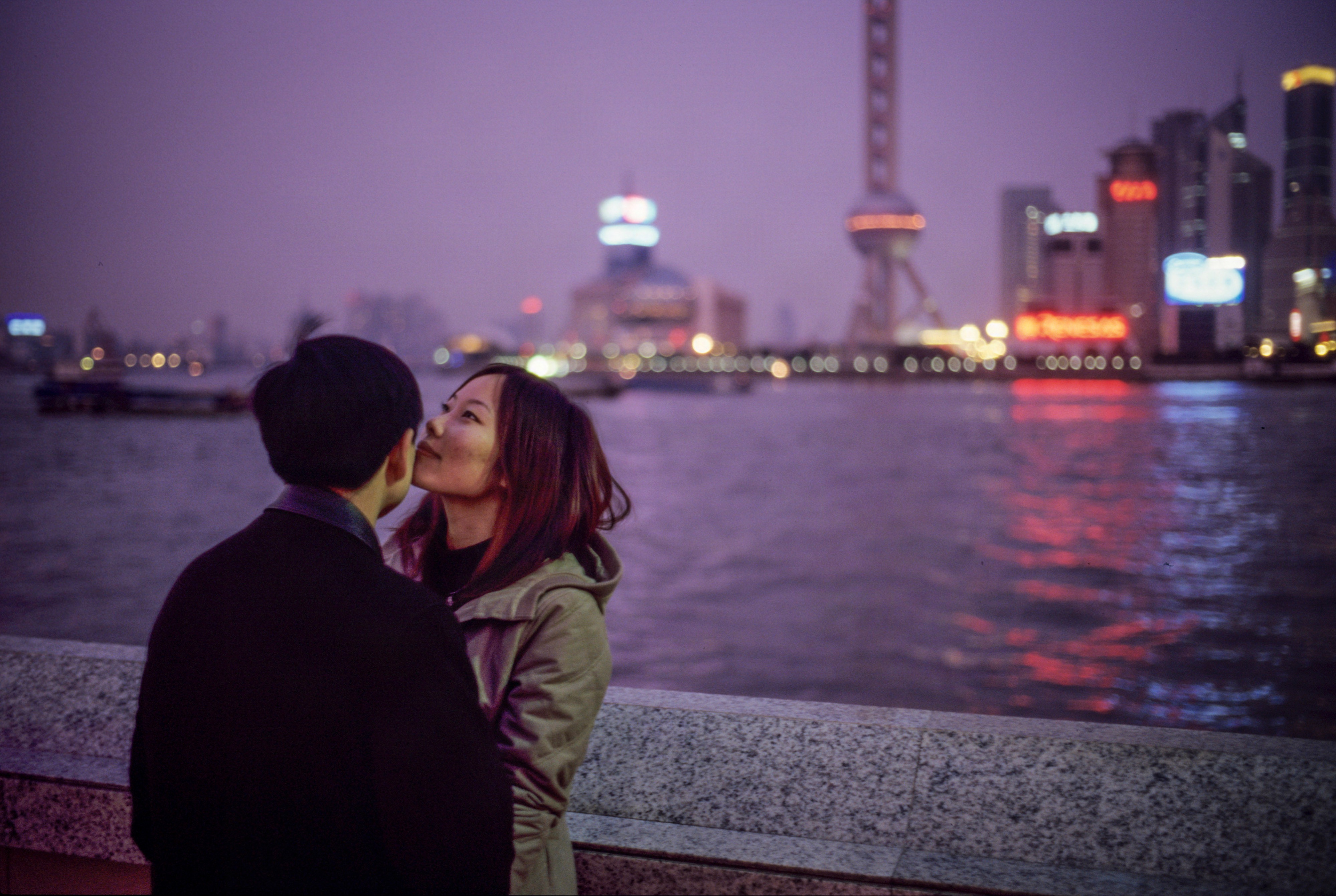
Over the course of your career, you’ve covered a broad range of subject matter in over a dozen countries. What kinds of stories are you most drawn to?
I'm most drawn to stories that are about regular people whose lives are impacted by social or political events.
In the early 2000s, I started going to China a lot because I was really interested in how that country was transforming. Every time I went, it seemed like I would see something new: millions of people moving from the countryside to the cities to work, the development of the economy as the country modernized, the one-child policy, loosening of social norms. All of those dynamics impacted ordinary people.
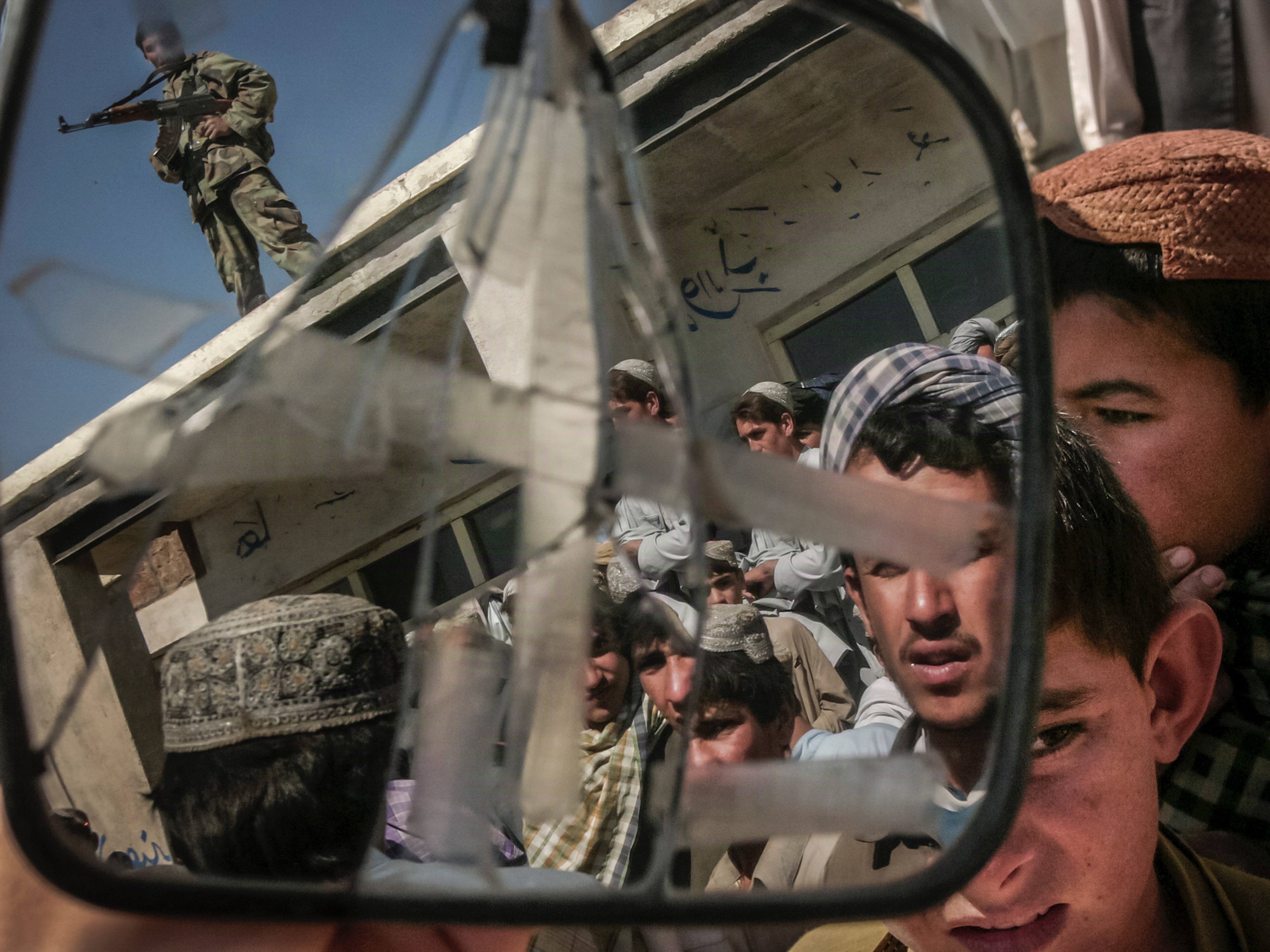
During the wars in Iraq and Afghanistan I did some assignments where I was embedded with US troops, but much of the time I worked more on my own, staying in hotels and working with local people as guides.
I've also always been drawn to politics in the US. I covered my first national political convention, the GOP convention in Dallas in 1984, when I was a teenager. Since then, I’ve been to several more and had a chance to travel with candidates around the country, like during Barack Obama’s first run in 2008.
During the final weeks of the presidential race in 2016, I spent a few weeks in the Midwest photographing Donald Trump and Hillary Clinton rallies, mostly working without any assignments. But I also spent time in communities there, with ordinary folks, to get a sense of the mood of that part of the country.
I was surprised that Trump won, and when he did, I decided to move from California to Washington, DC. Despite all my years as a photojournalist, I’d never worked at the Capitol or the White House, and I wondered what that was like. I had no idea what would happen during that term, but I figured it would be a good time to have that experience. I was curious what you’d see outside of the frame of television cameras, and I deliberately made pictures that showed that — not traditional news pictures — but wider scenes that captured a sense of time and place that would be interesting years later.
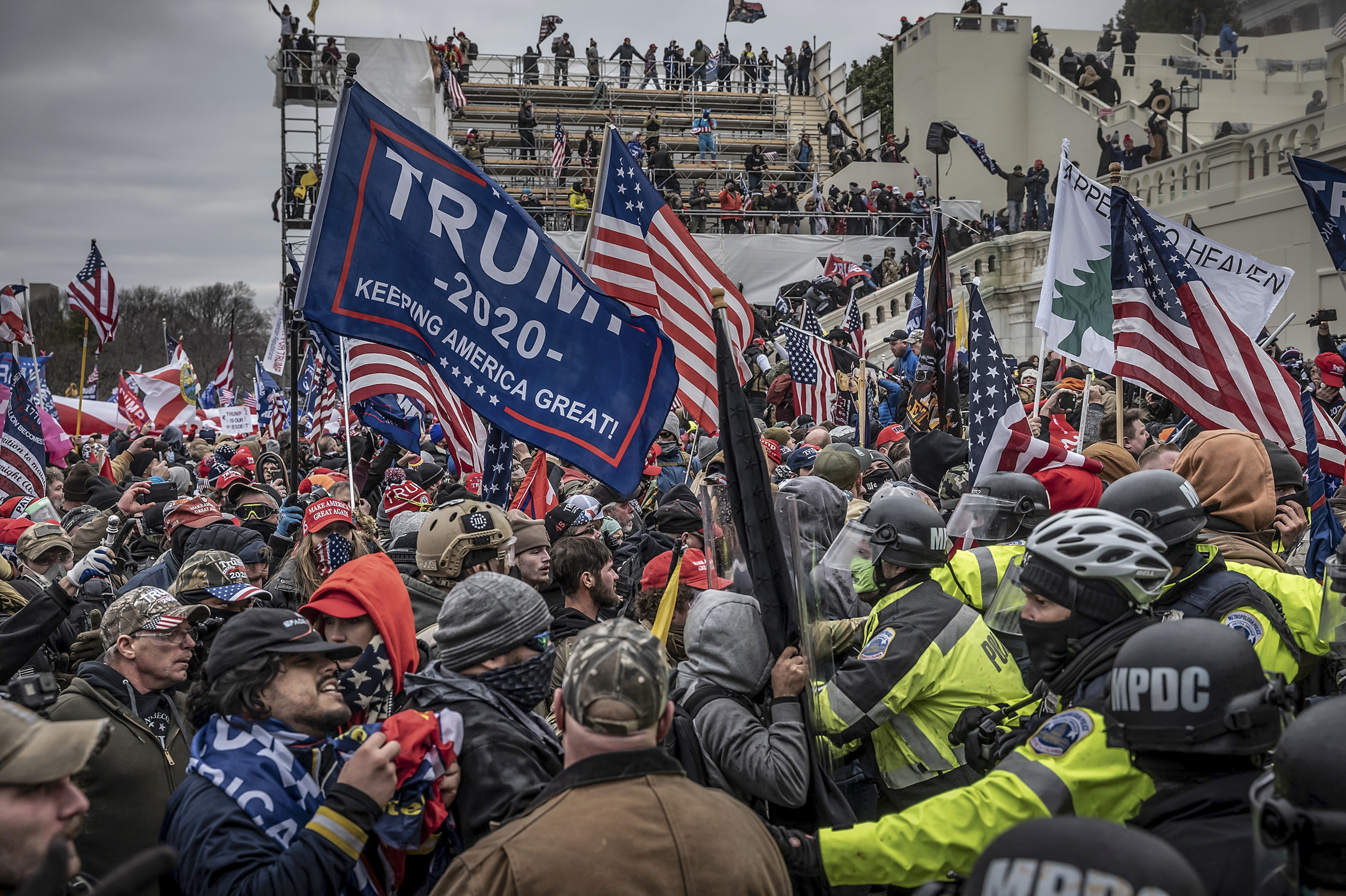
I was at the Capitol on January 6, 2021, and that experience was so disturbing, yet important, that I felt compelled to put the continuum of events I’d photographed for the last four years into a narrative photo book called Brink, which was my first monograph.
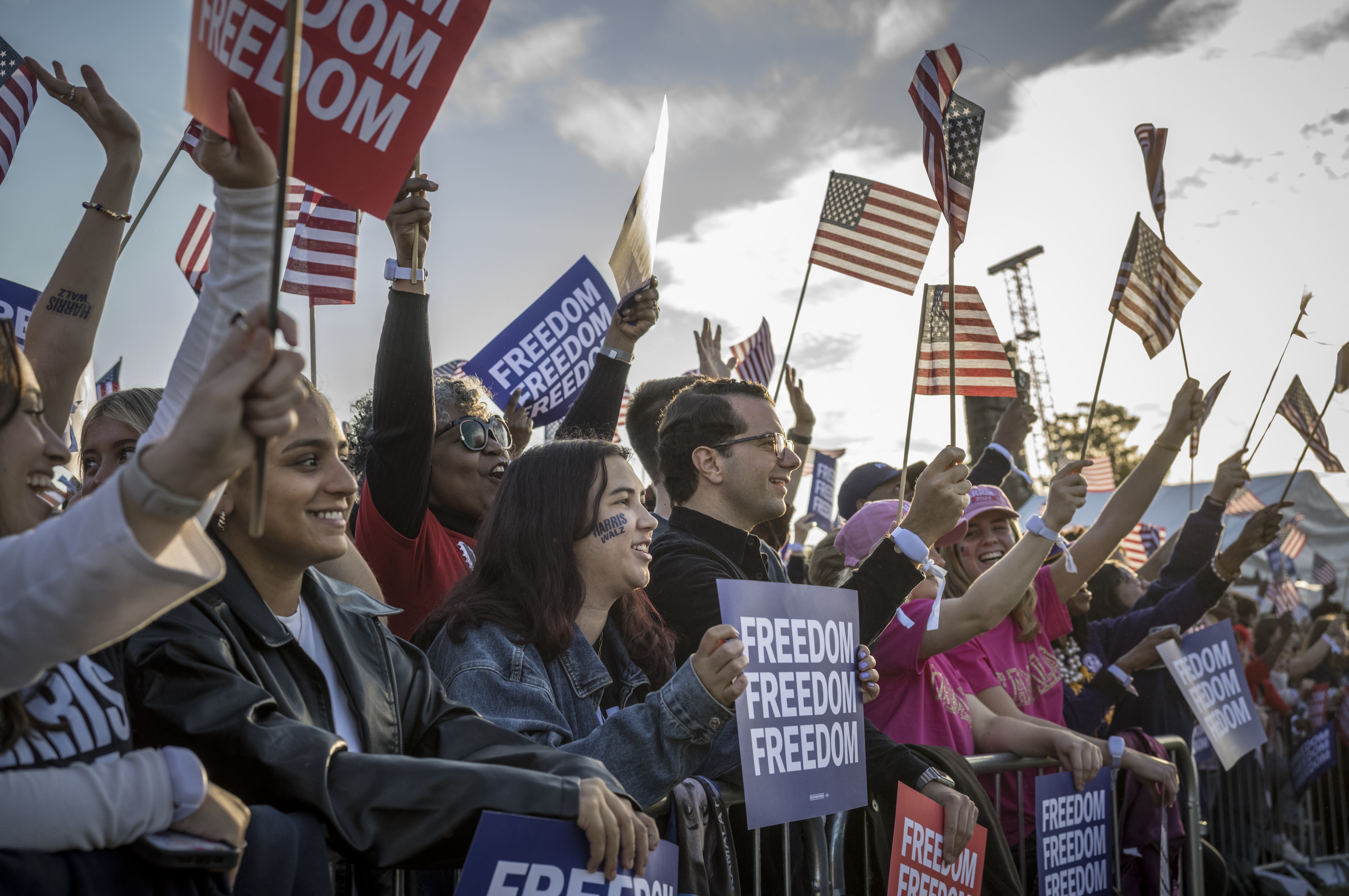
I moved back to California and didn’t photograph much politics for years. But at the end of the 2024 campaign, I went to Washington, DC, to photograph Kamala Harris’ final big rally. A week later I had a big magazine assignment to cover Trump in Florida on election night, and after he won, I thought the whole arc of events over the last decade had been pretty nuts.

Have you seen public trust in photojournalism change in the last 45 years?
Yes, I have. I think it's not necessarily specific to photojournalism, but a reflection of people's distrust of the media in general. That dynamic is one of the more disheartening things that I've seen. This is kind of a cliche, but people talk about the old days when there were just three major television networks, there was Walter Cronkite, and how he was trusted by a large majority of Americans. There aren't those kinds of central figures in journalism with such widespread credibility anymore.
Now, with social media and the internet, there is so much competition for our attention. Somebody is just as likely, if not more likely, to follow an influencer on YouTube or X instead of a traditional journalist. We’re also starting to see the use of AI-generated images, video, and sound. Sometimes it’s done for art or humor, and that’s fine, but other times it’s used to deliberately deceive people, and that’s where the danger is. I think the public’s distrust in photojournalism is just a subcomponent of that.
Why are Content Credentials so important to you as a photojournalist?
Content Credentials allow people working in my field to add a level of transparency and trustworthiness to their images, showing what the original picture looked like, what edits were made, and what camera was used. They provide another layer of credibility.
My work has also gotten stolen a lot, and used without credit or payment. My pictures are primarily disseminated digitally now, as opposed to in print, and that makes it even more important to have Content Credentials — to prove where that work came from when it can be shared so quickly.
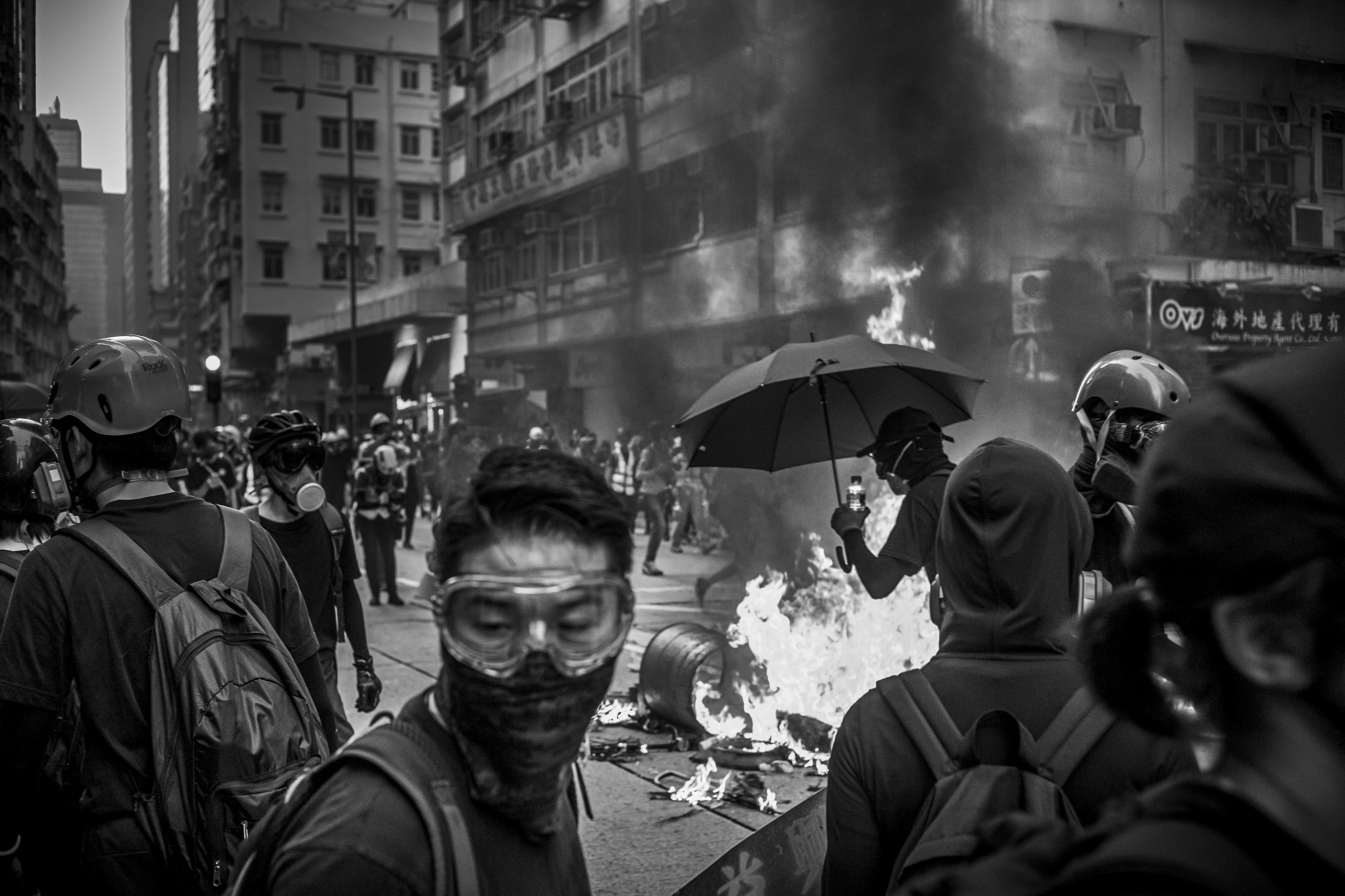
Some of the photos in this article include the entire chain of provenance from the moment the photo was taken, through the editing process, and ending with signing with your name. Others are from your archive, and you’ve decided to add your attribution to them retroactively. Can you describe your “glass-to-glass” workflow (from camera to digital publication) and how you record provenance at each stage of the process?
One of the cameras I use, the Leica M11-P, has a chip built into it that supports C2PA metadata. So if I choose to activate Content Credentials in that camera, it will write data onto my pictures that will always be traceable back to that camera. It’s the most secure way that I can lock in the image provenance from the very beginning.
Then, I use Adobe Lightroom to tone my images. I can record these edits by adding another Content Credential, attaching it to the image, and publishing it to the cloud for extra security. I can choose to add my name and social profiles here.
The third step where I can add Content Credentials is with Adobe Content Authenticity, where I can add my name and social profiles and state that I do not want AI to train on my pictures. The cool thing about this and Lightroom is that I can add my name to pictures from my archive that I shot before C2PA existed, with a camera that didn't have that technology in it. I can at least add my information in that last step before publication. I wouldn’t add credentials to every picture, but I've chosen some pictures that have been published a lot, or are favorites of mine or show important events, and this addition gives me another layer of security.
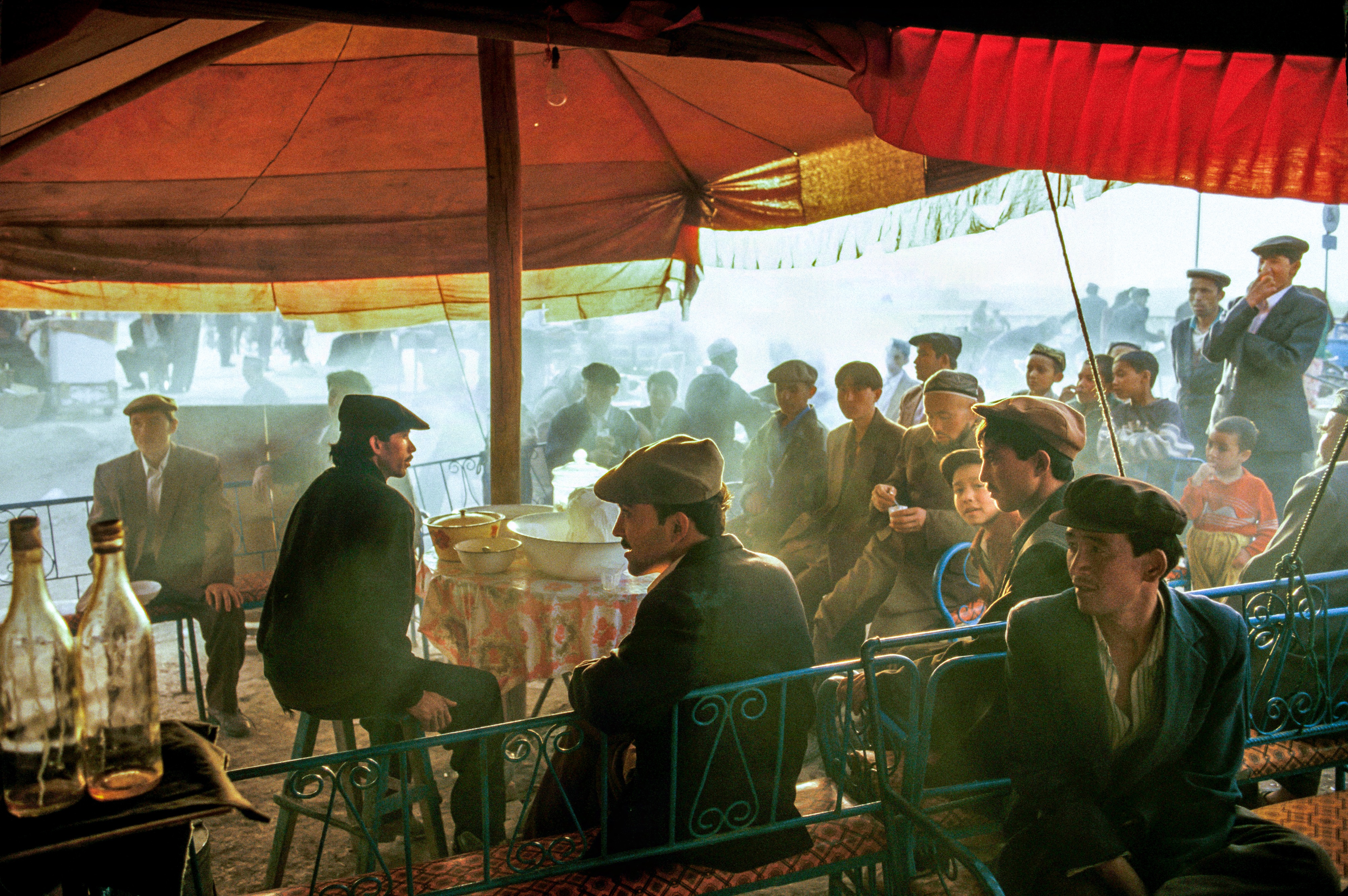
Are you preserving the entire chain of provenance for all new work that you create these days, or does it vary? Which situations call for more or less context?
I think these days, the more that a picture might have a political implication to it, the more I'm inclined to record the entire chain of provenance. Then there are other assignments where it’s less likely to be published widely — for example, if it’s for a client that will use the picture in-house or on their own website. It’s less important to me to record everything in those instances.
Recording the chain of provenance is one thing, displaying it is another. How much information disclosure makes sense to you, and in which contexts?
Because I’m a photojournalist, most of my post-processing is really just toning the image, because modern camera sensors have so much dynamic range. I usually just open up the shadows and bring the highlights down a little bit, and I might change the color balance slightly, or do some kind of burning and dodging, similar to what you would do in a physical darkroom.
I don't feel compelled to show every part of that process with every picture, but if there are any questions later about what I did to an image, I can show what I did in Lightroom and what the original file looked like. If anything ever came into question after publication, or if I needed to prove my images followed editing standards allowed for a photojournalism contest, I would have that original reference point.
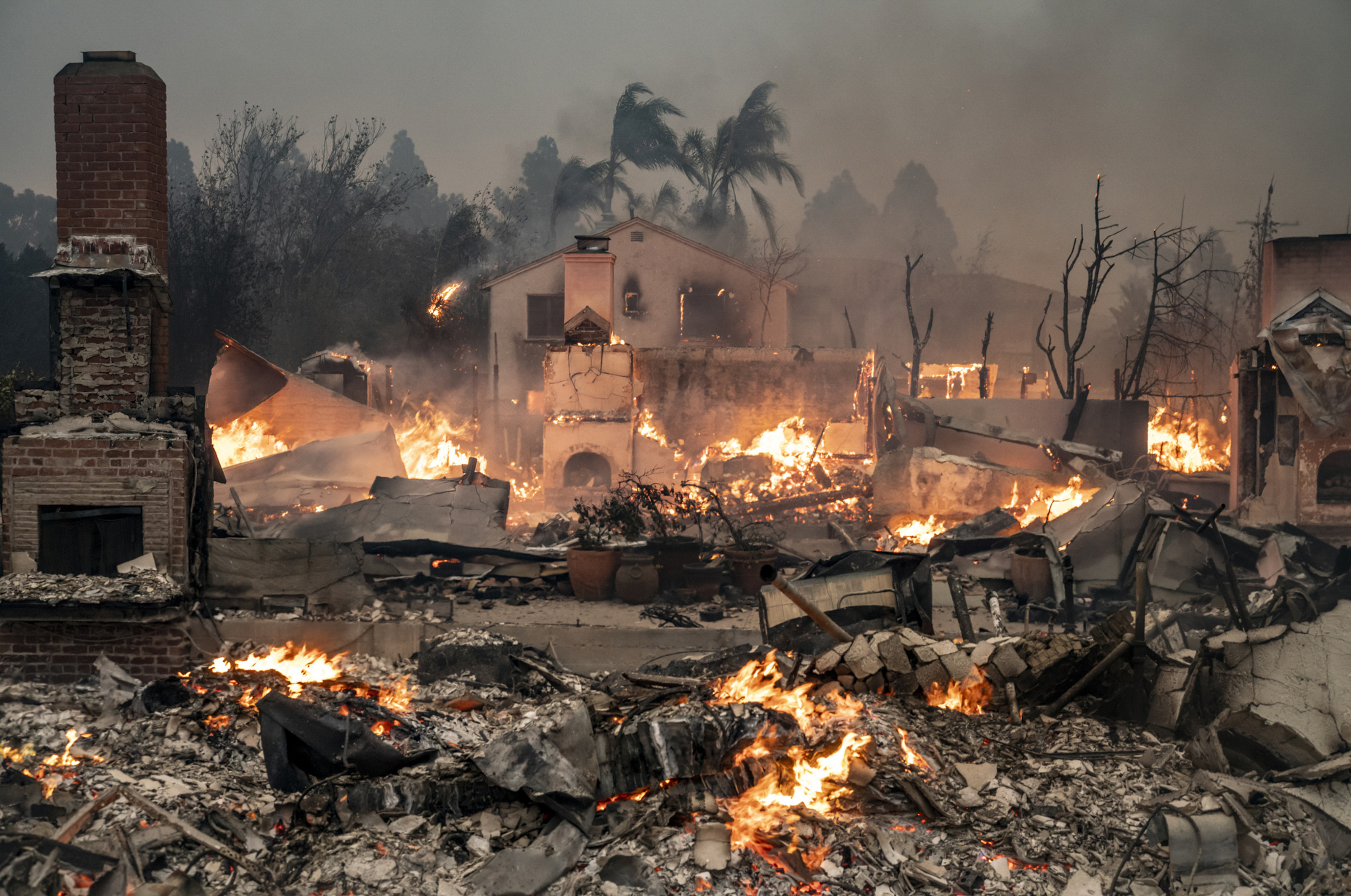
What role do you hope your work will play in shaping public understanding in the future?
I'm thinking more about that these days than about how my pictures are perceived. There's so much noise in the media sphere with any kind of major event. Fortunately, I work for publications like TIME Magazine and The Los Angeles Times that have pretty widespread trust to begin with, so I feel that my work is just a part of the conversation.
Mainly, I'm thinking about how my pictures of current events, and of things that have happened in the last 5 or 10 years in the United States, are going to be perceived by people in the future — maybe long after I’m gone. The news cycle is quick to turn and churn, but certain events will establish themselves as having been very significant. Being able to contribute to that record visually, and for my work to be trusted, is my primary mission in the extraordinary time we are in now.