Secure Mode Enabled
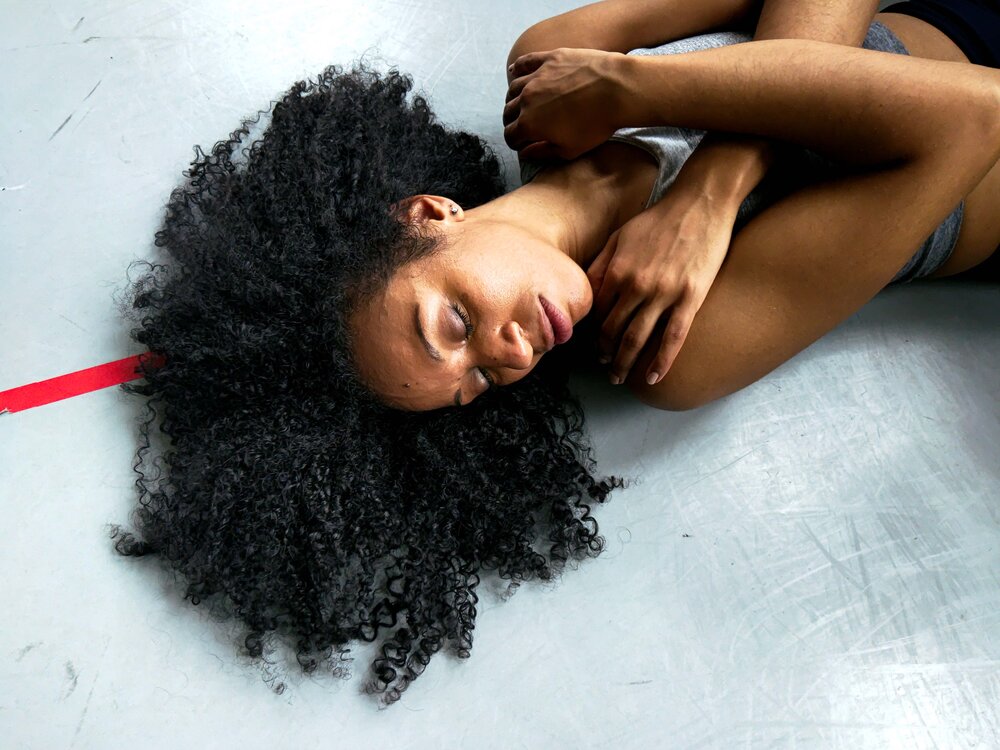
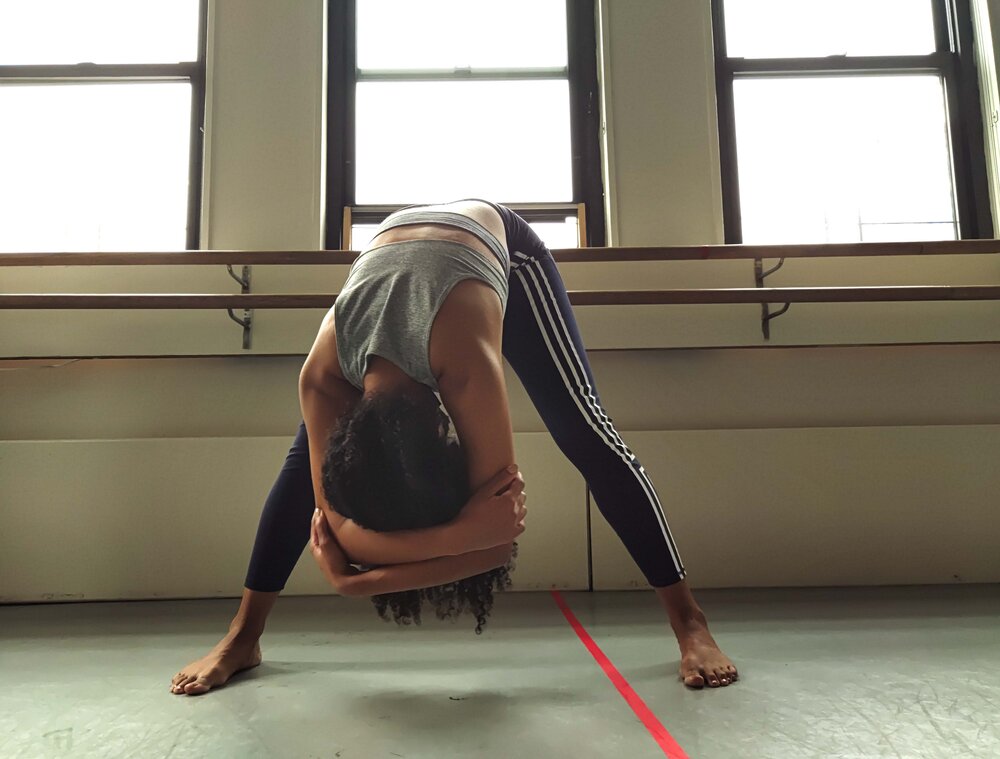
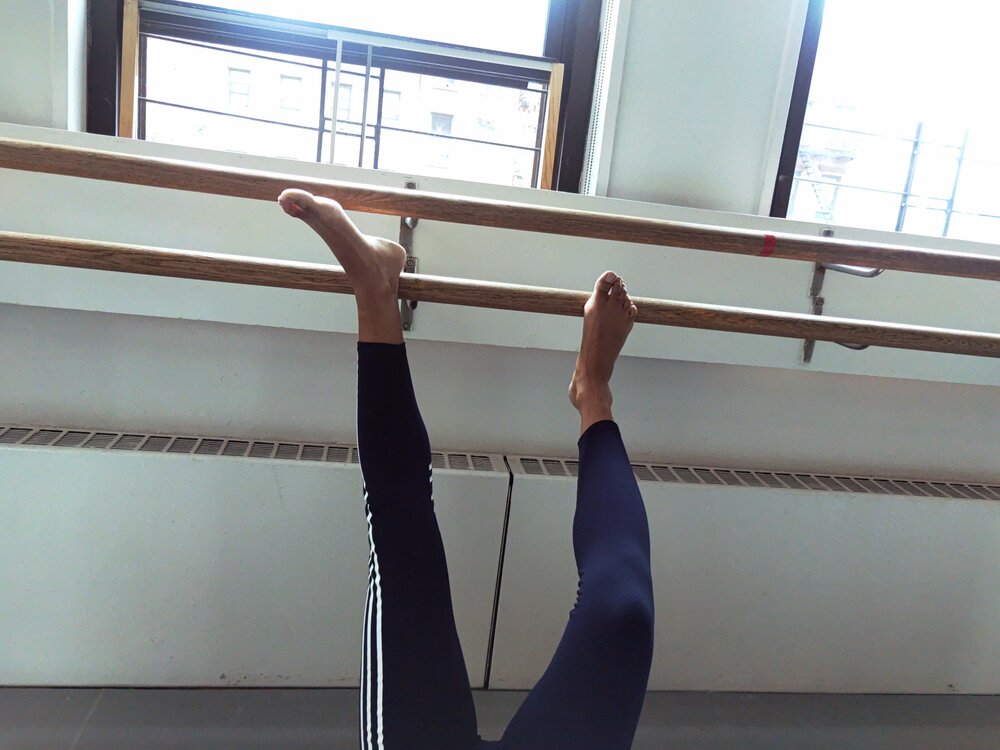
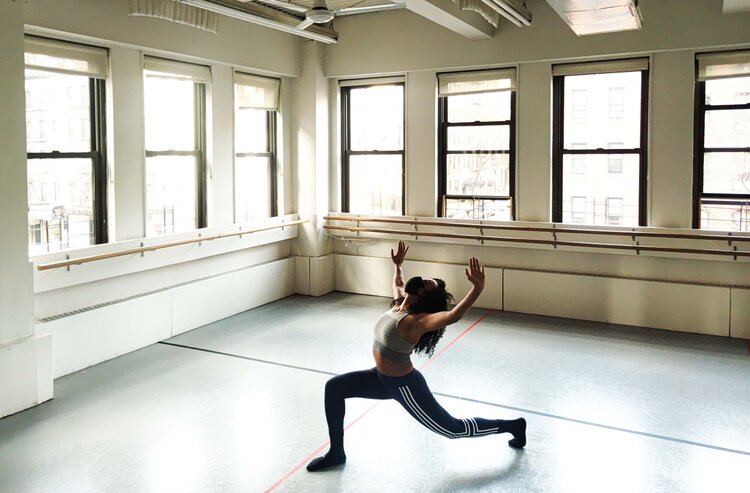
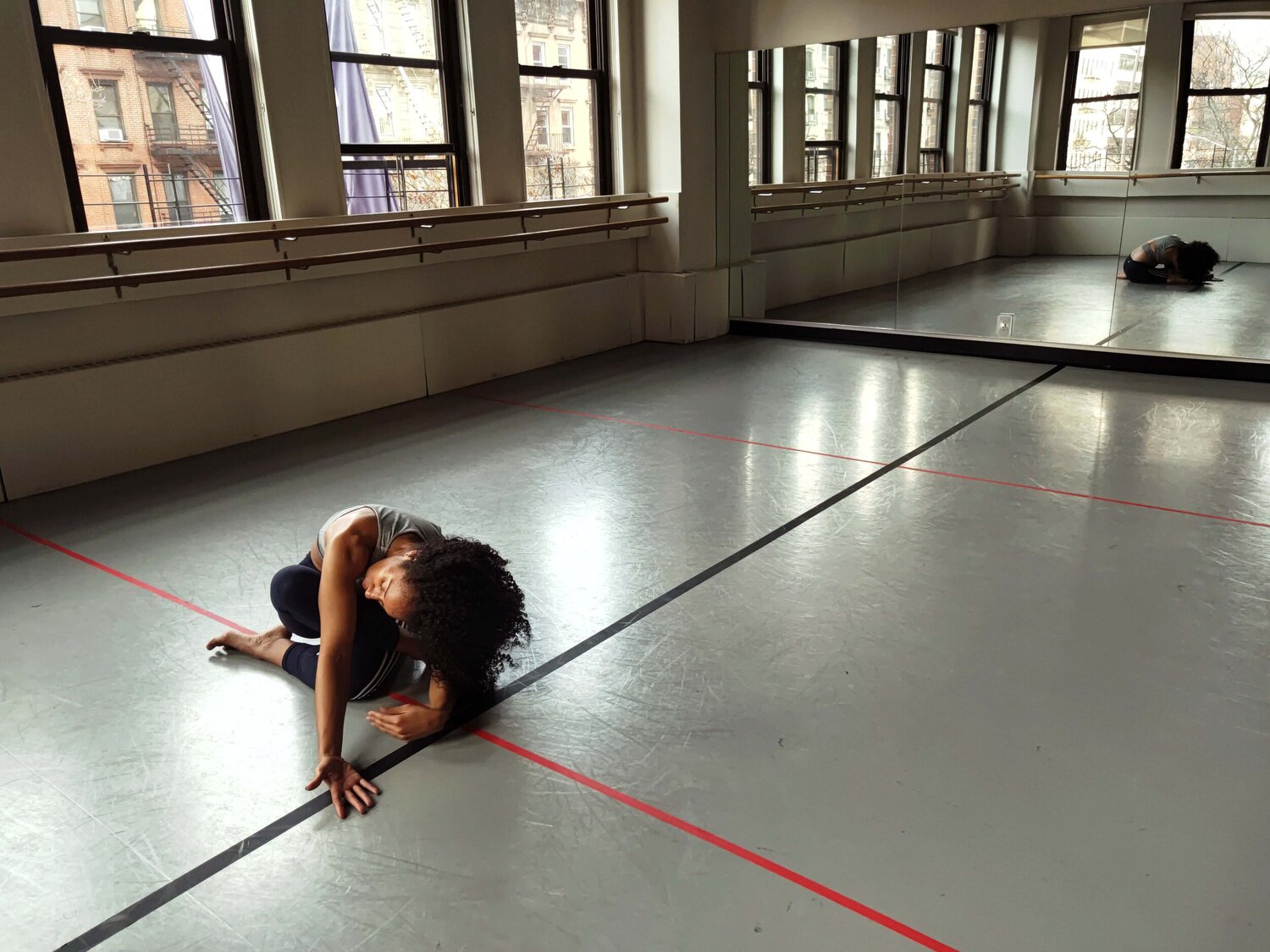
As information consumers, we interact with countless bits of content each day in our always-on digital lives. With inauthentic images and video seemingly everywhere, we need a way to evaluate truth in the media presented to us. The Content Authenticity Initiative is working to combat misinformation through attribution and provenance of all media, starting with images. Through the work of CAI collaborators, Qualcomm and Truepic, a secure hardware implementation of the CAI standard was created at the end of 2020 and will soon become available. It enables photos taken in “secure mode” on smartphone devices to attach key facts from the moment of capture. We gave a photojournalist early access to a prototype with this technology enabled, which resulted in the photos you see on this page. These are the first-ever images captured with CAI attribution.
This new attribution standard allows anyone to access verifiable information about visual content. When you see the CAI info icon (the small i in the circle), you can inspect the image and dig into its edit history. If you click on the info icon on an image on this webpage, you’ll be able to see who took a photo, where, when, and with which device. You can see the tools they’ve used in Photoshop to edit the image and, by clicking the “View more” button, you’ll even be able to compare versions. This adds a layer of transparency and veracity to images that has never before been possible, so that any viewer of content on a news article or social media post can evaluate what they’re seeing and decide whether or not to trust it.
“If you trust me, if I've done what I should be doing as a journalist, and I've earned your trust and I've earned the trust of the person that I'm photographing, then I need to be inextricably linked with the content I've made.”
— Sara Lewkowicz
Photojournalist Sara Naomi Lewkowicz is often on assignment capturing stories, working on location and embedded with her subjects. She’s an award-winning visual artist and journalist with a focus in long-form documentary photography whose work has appeared in The New York Times Magazine, Time magazine, National Geographic, and Der Spiegel, among others. Sara needs to have the trust of her subjects, her editor, as well as the reader in order to continue to do her job—much of her work features raw portraits of intimacy and struggle, covering sensitive subjects like drug addiction and abuse. As she tells a visual story, she’s constantly making choices about what she shoots and how she shoots it—plus what she doesn’t include in a frame. As a storyteller, she’s striving for honesty and truth in her portrayal of a subject. Since a photographer’s point of view is inextricably linked to the image they create, having a secure way to attribute an image and its history to their name is groundbreaking for photojournalists like Lewkowicz.
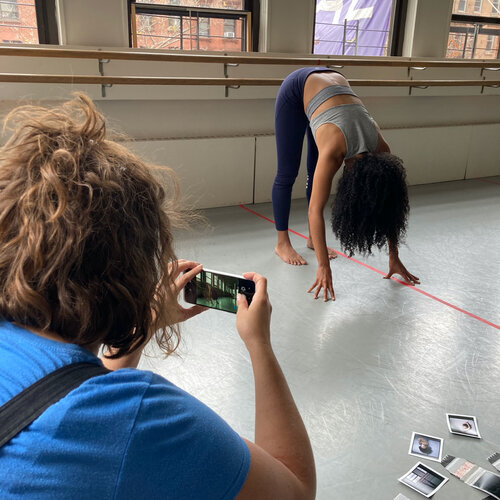
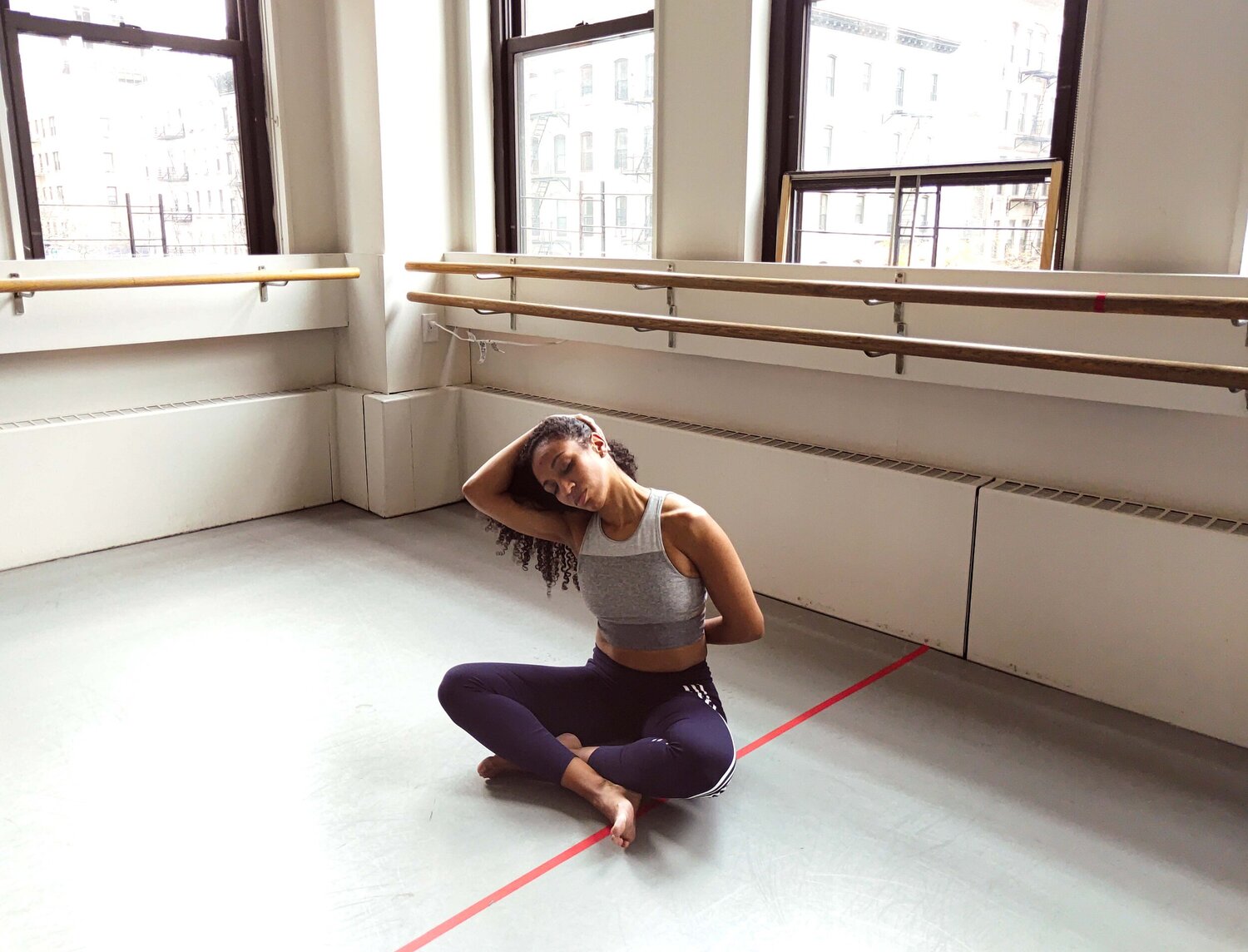
Sara is a former dancer who often tells stories of movement and athleticism, so she was drawn to that of Maresa D’Amore-Morrison. An Ailey/Fordham trained professional dancer and instructor, Maresa was forced out of the studio and onto digital platforms due to the pandemic. In mid-November, Maresa returned to the studio for the first time after eight months home in isolation. In these photos shot by Sara in secure mode, we see Maresa as she reconnects with movement and space.
Adobe, Twitter, Qualcomm, Truepic, The New York Times and other media and technology companies, NGOs, academics, and others are collaborating through the Content Authenticity Initiative to promote and drive adoption of an open industry standard around provenance. Our technology will enable everyone to know the source of visual content and to see how it was edited. In creating the software standards that work alongside the Qualcomm/Truepic device’s secure mode, the CAI is enabling the first end-to-end system for attribution of visual content. This technology will soon be in the hands of consumers as part of Qualcomm’s Snapdragon 888 platform. Snapdragon powers millions of mobile devices worldwide.
Photojournalist Sara Naomi Lewkowicz is often on assignment capturing stories, working on location and embedded with her subjects. She’s an award-winning visual artist and journalist with a focus in long-form documentary photography whose work has appeared in The New York Times Magazine, Time magazine, National Geographic, and Der Spiegel, among others. Sara needs to have the trust of her subjects, her editor, as well as the reader in order to continue to do her job—much of her work features raw portraits of intimacy and struggle, covering sensitive subjects like drug addiction and abuse. As she tells a visual story, she’s constantly making choices about what she shoots and how she shoots it—plus what she doesn’t include in a frame. As a storyteller, she’s striving for honesty and truth in her portrayal of a subject. Since a photographer’s point of view is inextricably linked to the image they create, having a secure way to attribute an image and its history to their name is groundbreaking for photojournalists like Lewkowicz.
Sara is a former dancer who often tells stories of movement and athleticism, so she was drawn to that of Maresa D’Amore-Morrison. An Ailey/Fordham trained professional dancer and instructor, Maresa was forced out of the studio and onto digital platforms due to the pandemic. In mid-November, Maresa returned to the studio for the first time after eight months home in isolation. In these photos shot by Sara in secure mode, we see Maresa as she reconnects with movement and space.