Event Recap | Fluent in Fake: AI and Media Literacy
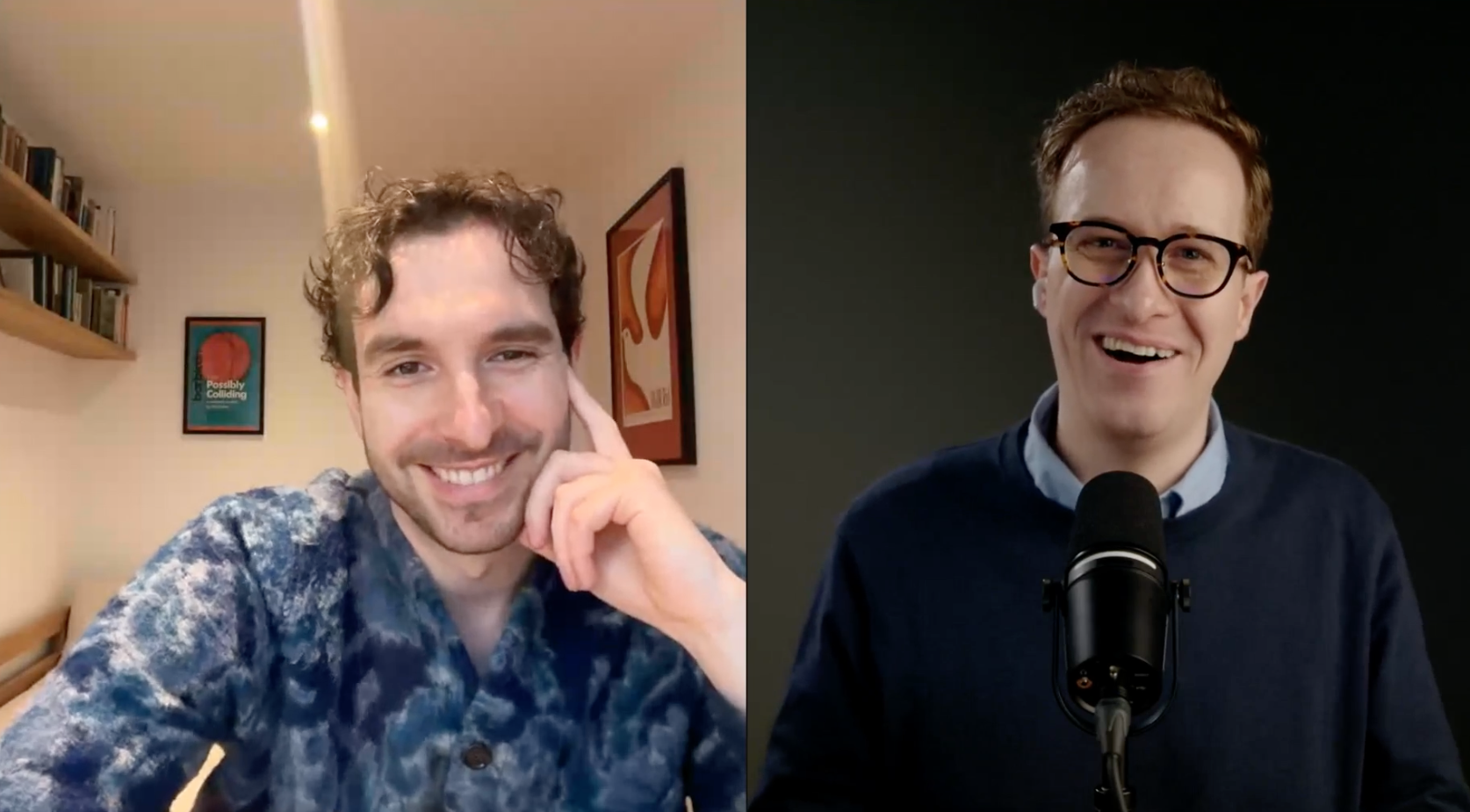
When something looks too strange to be true online, Jeremy Carrasco is usually already on it. With more than 1.1 million followers across his JeremyFindsAI social channels and a company, Riddance, dedicated to finding and mitigating inauthentic content at scale, Carrasco has become one of the most visible and trusted voices in AI detection. We sat down with him for a wide-ranging conversation about his work educating the public on the AI content landscape, how detection has evolved as AI tools have advanced, and how platforms can better support building media literacy skills through UX and Content Credentials.
Carrasco traced his path into this work through a background in live video production and broadcasting, a career that required diagnosing problems in real time and communicating solutions quickly to non-technical clients. When AI-generated video began going mainstream, his trained eye for camera rigs, encoding artifacts, and frame-rate behavior turned out to be unusually applicable to deepfake detection.
On the viral content he produces for his channels, he was clear about his motivations. “I don’t want to be doing people’s thinking for them,” he said. “I want to be showing how I arrived at a certain conclusion.” That pedagogical instinct has shaped everything about his approach, from the videos he chooses to make, to how he structures his investigations, to what he emphasizes for his audience.
As AI has advanced, his methodology has shifted considerably. Early on, he focused on pixel-level visual analysis to spot artifacts and inconsistencies AI models struggle to hide. But technology is advancing too quickly for visual tells to stay relevant, and asking the general public to learn them risks creating overconfidence. Now, his approach is increasingly about finding the original source: who posted something first, what else their account posts, and what the posting pattern looks like. “There are going to be signatures of that process,” he said. “That’s how I think about these things: how was this made?”
Carrasco sees Content Credentials as a natural extension of the media literacy habits he’s trying to encourage among the general public. His first significant encounter with them came when Sora 2 launched with C2PA metadata on all outputs, which he found immediately useful for his audience. He praised LinkedIn’s implementation as a model for how the user experience for Content Credentials should work: inline, without requiring a separate page or additional taps. That frictionlessness on platforms, he argued, is exactly what broad public adoption requires. “Having universality and mass adoption is ultimately going to be what does the most good over time,” he said.
Watch the full conversation below.