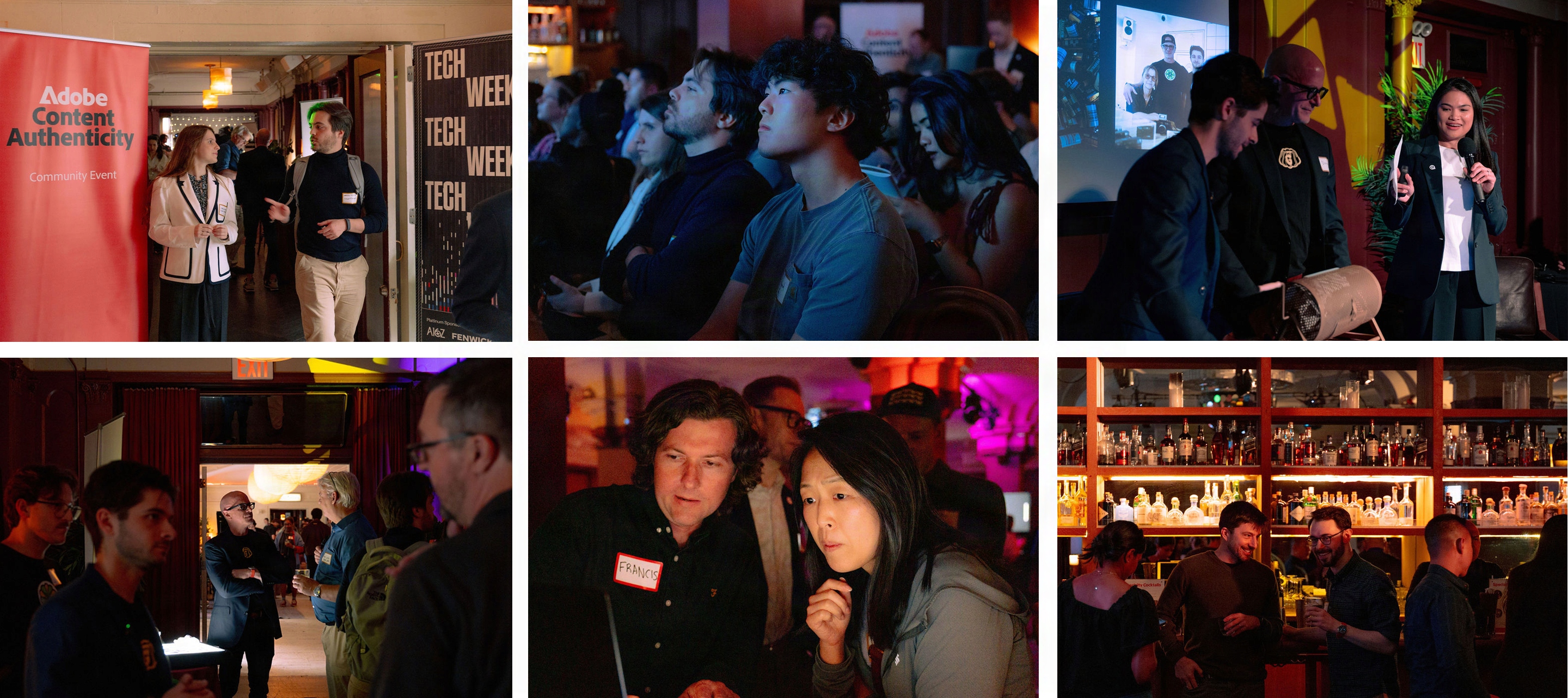
Gathering the ecosystem: Reflections from New York Tech Week
Photographs by Caroline Gutman
On June 2, I asked a room of about a hundred people in New York City — startup founders and enterprise leaders, journalists and creative professionals, developers and educators — to raise their hands if they'd recently seen something online and couldn't tell whether it was AI-generated. Nearly every hand shot up.
I’ve thought about the consequences of doubt in visual content for a long time. Before joining the Content Authenticity Initiative (CAI) at Adobe, I spent over a decade in photojournalism as a photo editor at National Geographic, Newsweek, and TIME. In those roles, I decided which photographs of real and often breaking news events would be seen by millions of people. I know how critical it is for people to trust the visual record, because if that trust collapses, so does our understanding of the world and our ability to connect with each other.
As AI increasingly undermines confidence in the authenticity of online content, the implications extend far beyond journalism to countless other fields that depend on verifiable information, transparency, and authenticity. For a16z’s Tech Week in New York, we convened an intentionally diverse audience, one united by a shared mission and understanding of what’s at stake. Together, we explored Content Credentials as an open and interoperable solution for trust in digital content.

Setting the stage: panel highlights
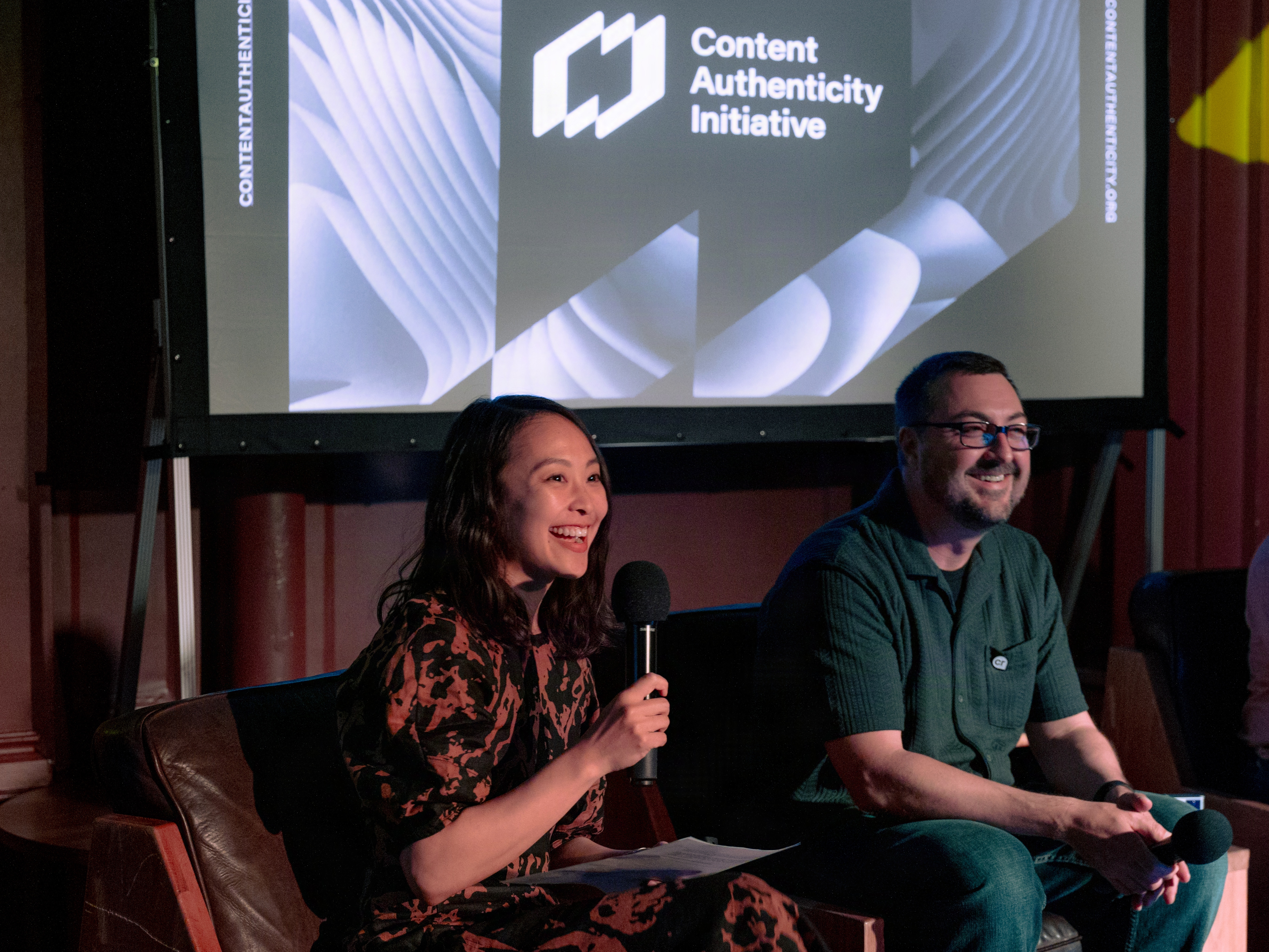
Coleen Jose, Senior Product Marketing Manager for Content Authenticity at Adobe, was our emcee for the evening. She opened the program with an overview of the CAI and C2PA’s work, explaining how Content Credentials are the global open standard for digital provenance. I then had the pleasure of moderating a panel conversation with Andy Parsons, Global Director of Content Authenticity at Adobe; Tim Murphy, Co-Founder of Pixelstream; and Daniel Tweed-Kent, Verifications Product Lead at LinkedIn. We spoke not only about why content provenance matters, but also what it takes to build standards, systems, and tools to support a more trustworthy digital ecosystem.
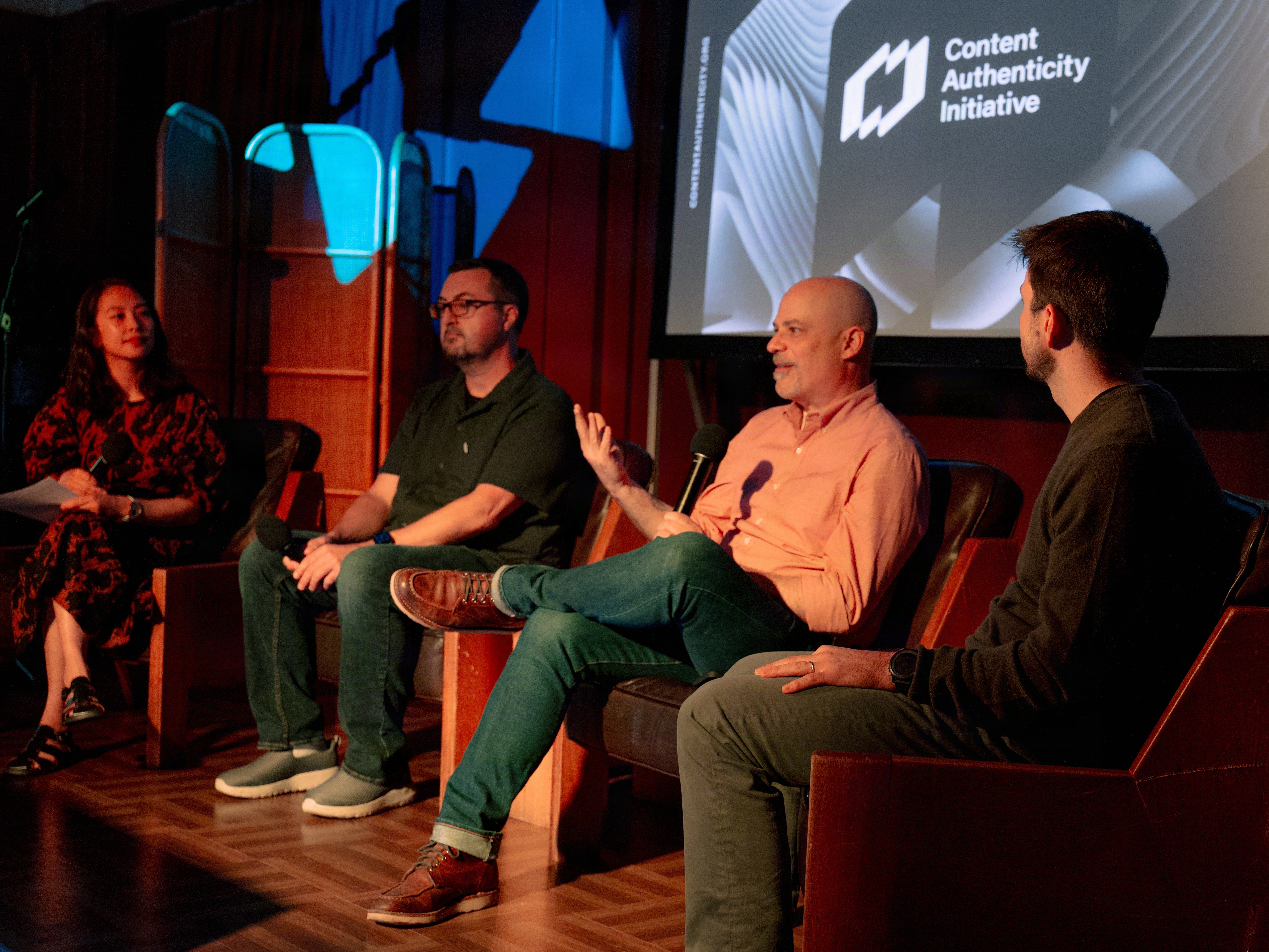
Topics included how the CAI built momentum around the C2PA standard even before the advent of ChatGPT and other AI models; how Verified Identity on LinkedIn increases trust across platforms and in Content Credentials; why interoperability is critical to widespread adoption; and how anyone from startup founders to enterprises can get started implementing with resources like the CAI’s open-source tools, the Content Credentials Foundations course, and the CAI Discord community.
Authorship in practice: artist talks
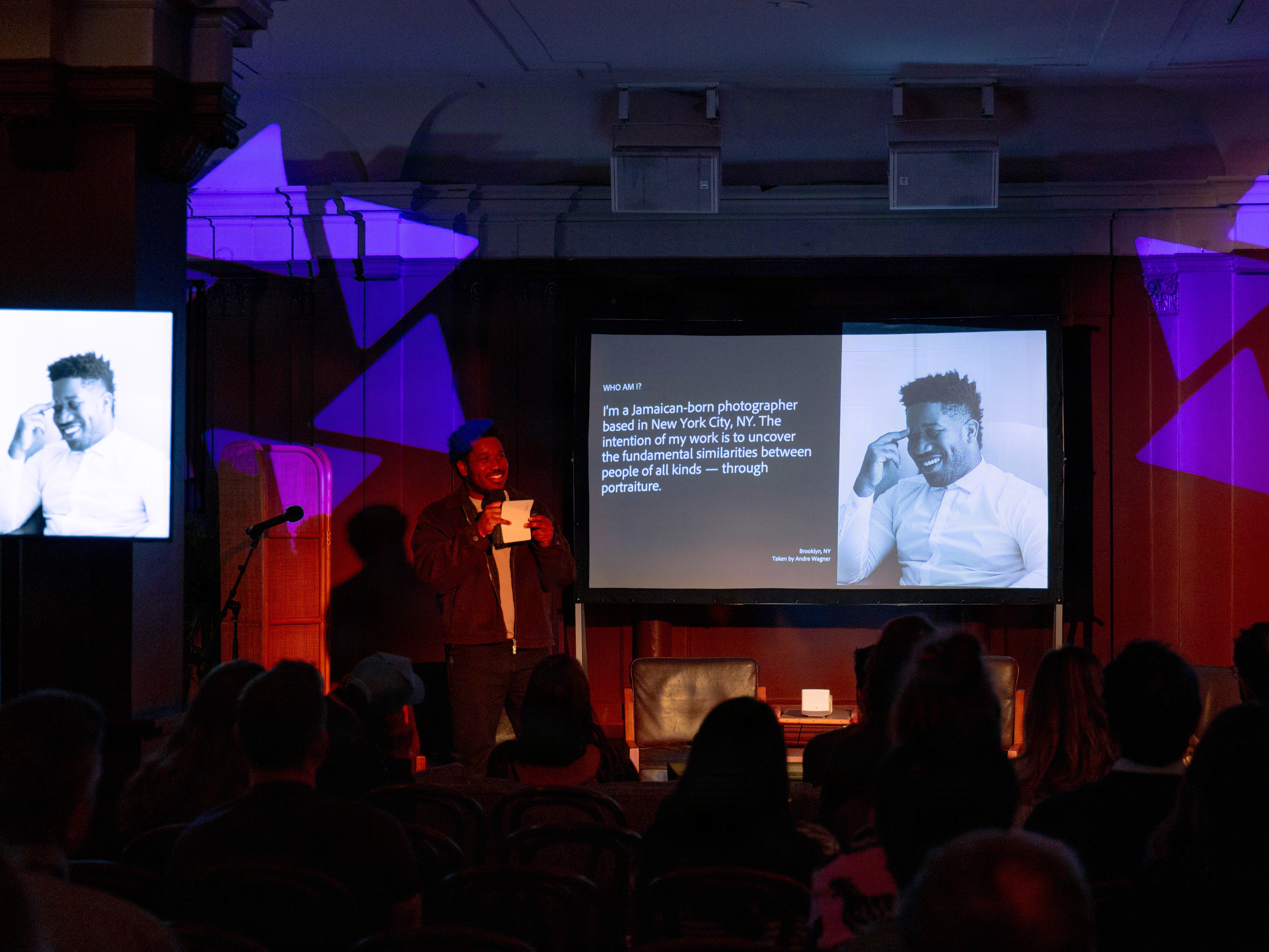
Photographer and director Aundre Larrow spoke about the decisive moment, an idea Henri Cartier-Bresson first articulated in 1952. Every photograph captures something unrepeatable: a specific convergence of light, subject, and time that will never exist again. Content Credentials, in Aundre’s view, pay respect to that uniqueness by attesting to the specific moment in which an image was made. For photographers communicating the integrity of their process in a time when images are easily machine-generated, endlessly replicated, and often decontextualized, that distinction matters. "We do have to lead with what it means to be human-made," he said, "because that is a part of who we are, and what we do."
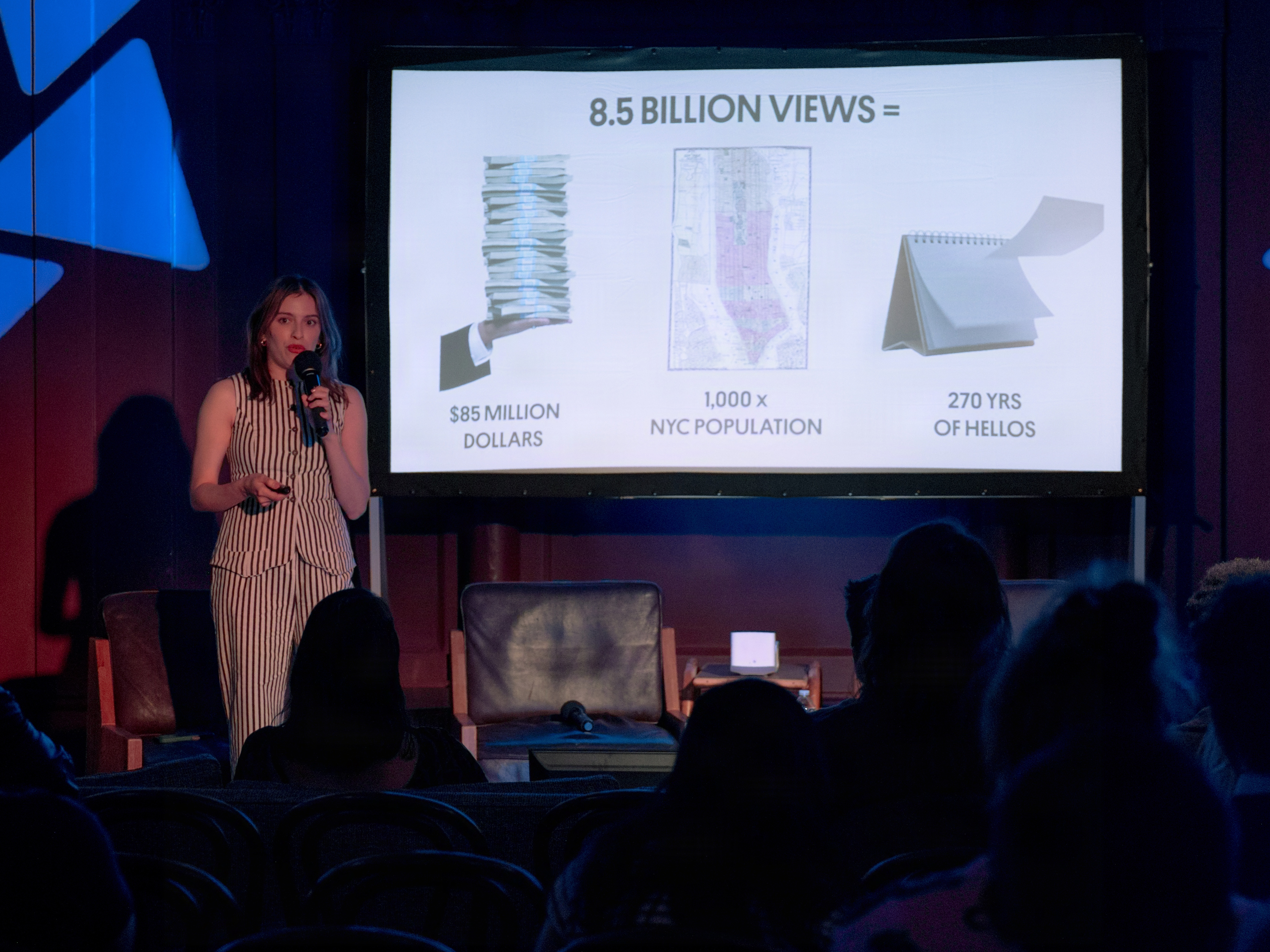
Illustrator Fabiola Lara spoke candidly about why she didn’t sign her work with her name earlier in her career. As her illustrations spread across the internet and accumulated billions of views — used by the likes of Kendall Jenner and Rosalía on Instagram — she realized she had lost something she couldn't easily recover: control, and the professional opportunities that come with visibility. She explained that she now signs her work with Content Credentials so that her information will always travel with her work, wherever it goes.
Making provenance experiential: demo stations
Adobe demonstrated Content Authenticity, a free tool that allows creators to apply Content Credentials to their files, and Adobe Premiere, which integrates Content Credentials into video workflows.
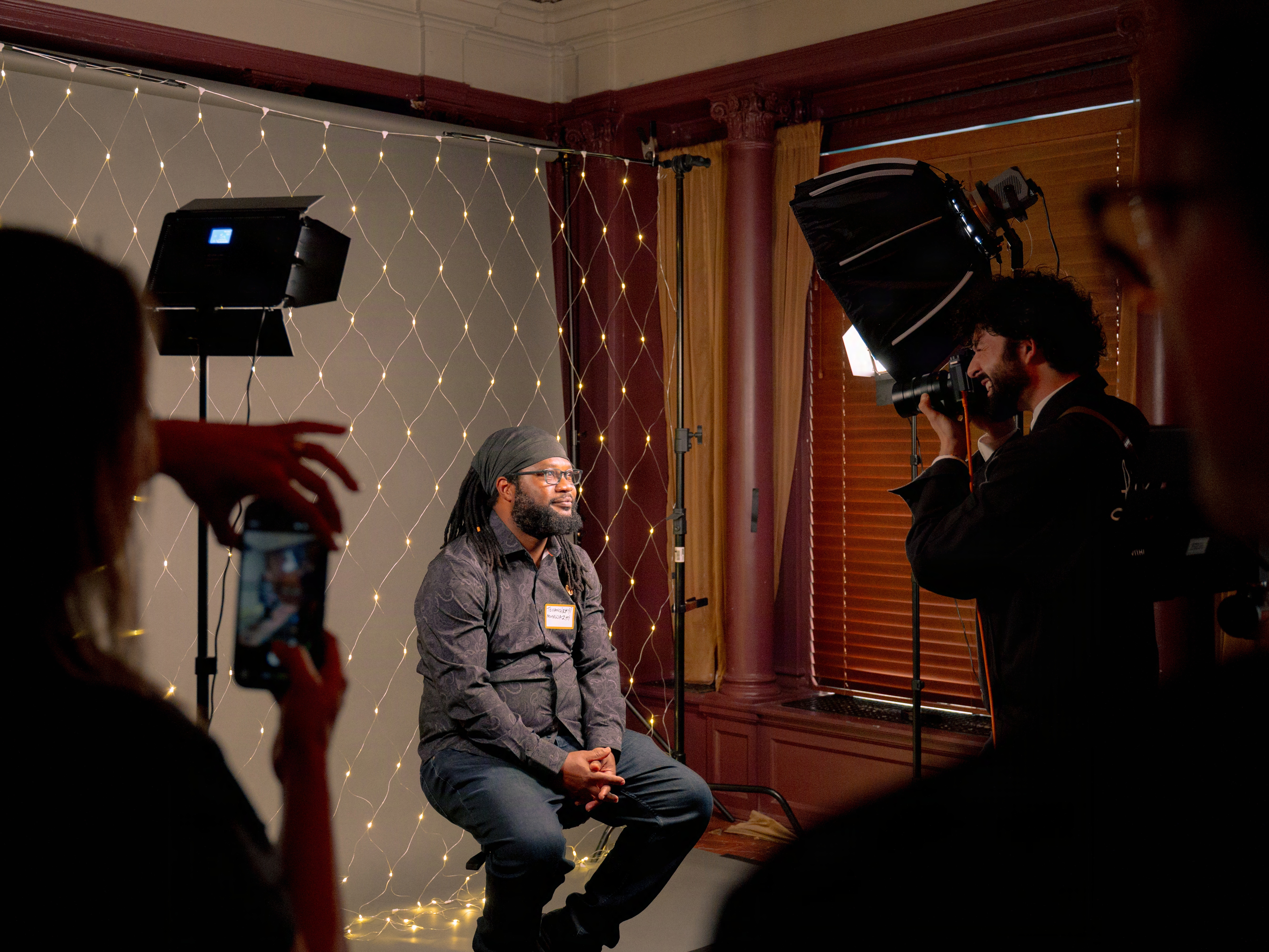
Pixelstream ran a live photobooth using a Leica camera, where attendees could have their headshots taken and immediately signed with Pixelstream's signing service to show how the image was made.
Gelatin Labs shared its unique implementation as a film lab that develops prints in the darkroom and signs digitized files with Content Credentials.
To be continued
Our work advocating for adoption of Content Credentials centers on the digital content ecosystem. But there’s nothing like bringing real people from that ecosystem into the same room to deepen understanding, strengthen relationships, and bring a tangible sense of urgency and purpose to our shared mission. We’re looking forward to more events like this one.
To get involved, join the CAI.